Last updated: 16 September 2026
Post-renovation cleaning in KL and Selangor is typically quoted from RM1 per square foot once a cleaner has assessed the scope of the job, and there’s no single fixed rule for how long to wait before moving back in — but a practical staged approach, based on how construction dust and paint fumes actually behave, points to roughly 7–10 days for most homes. Malaysia’s humidity is part of the reason a quick DIY wipe-down often isn’t enough: fine construction dust settles into a slightly damp film on surfaces rather than staying loose and powdery, which is why it tends to “come back” days after a place already looks clean. This guide covers real 2026 pricing, what’s actually included in a proper post-renovation clean, the health facts on silica dust and VOCs worth knowing, a practical move-in timeline, and the spots people most often miss.
Table of Contents
What Is Post-Renovation Cleaning, and How Is It Different From a Regular Clean?
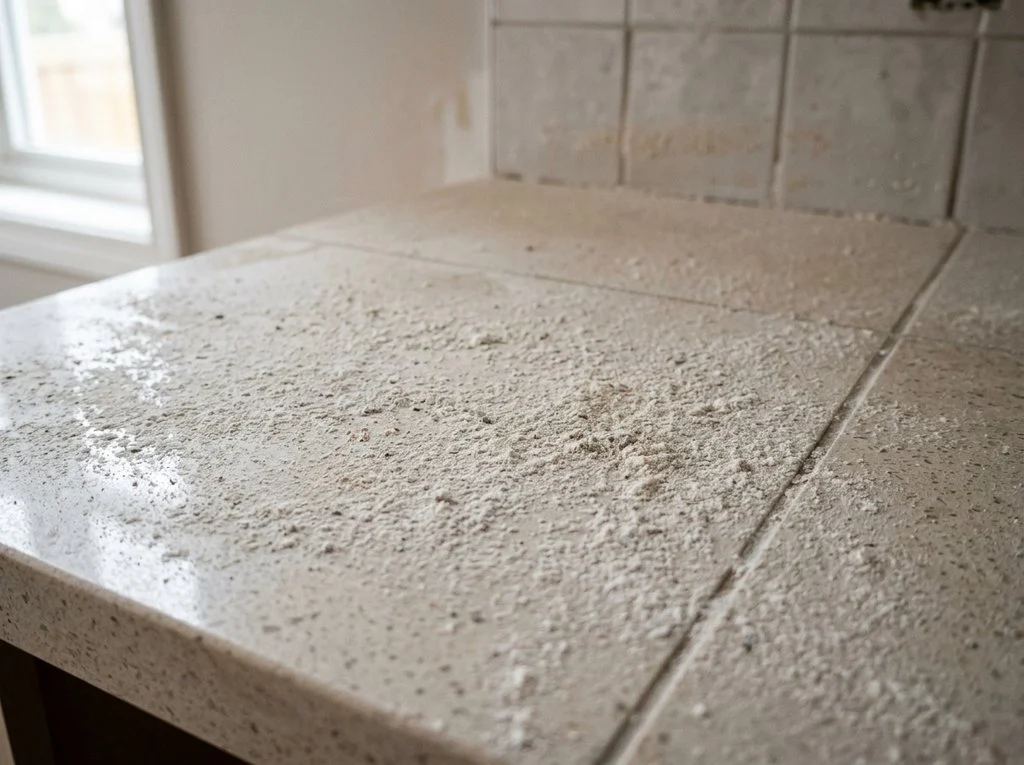
A regular house cleaning session deals with everyday dust, grime, and fingerprints using a mop, vacuum, and general-purpose spray. Post-renovation cleaning is a different job entirely: it’s built around fine construction dust, dried cement film, paint splatter, and adhesive residue that a standard clean isn’t equipped to shift.
| Regular / Deep Cleaning | Post-Renovation Cleaning | |
|---|---|---|
| What it targets | Everyday dust, grime, fingerprints, soap scum | Fine construction dust, cement haze, paint/adhesive splatter, sawdust |
| Typical tools | Mop, vacuum, all-purpose spray | Stronger degreasers, scrapers for dried cement/paint, detailed vacuuming of tracks and vents |
| Areas covered | Visible surfaces, floors, kitchen, bathrooms | Same, plus window and door tracks, AC vents, cabinet interiors, skirting boards, switch plates |
| Debris handling | Not applicable | Property should be cleared of bulky renovation debris beforehand — most cleaners don’t haul away construction waste as part of the cleaning service |
| Typical time on-site | 2–4 hours | Several hours to a full day, depending on unit size and how much of the renovation involved cutting, sanding, or plastering |
The practical takeaway: if your renovation involved any hacking, tiling, sanding, or painting, a standard cleaning booking is the wrong tool for the job — the dust and residue left behind need equipment and techniques a general clean doesn’t use.
How Much Does Post-Renovation Cleaning Cost in KL & Selangor?
Rates vary by provider and by how much cutting, sanding, or plastering the renovation actually involved, since that’s what determines how much fine dust and residue is left behind. As one real example, Top Clean & Clear’s post-renovation cleaning service is quoted from RM1 per square foot, with the exact rate confirmed after the team reviews photos and the property’s condition over WhatsApp — there’s no fixed flat fee because a lightly-renovated bathroom and a fully gutted unit simply aren’t the same job. No advance payment is required under that model; the customer inspects the finished work before paying.
What’s typically included in a proper post-renovation clean:
- Fine dust removal from all accessible surfaces
- Full floor vacuuming, sweeping, scrubbing, and mopping
- Window and glass cleaning, including tracks
- Interior cabinet and wardrobe wipe-down
- Door frames, skirting boards, switches, and fittings
- Kitchen counter and sink degreasing
- Bathroom fixtures and floor cleaning
- Paint, cement, and adhesive mark removal with a final wipe-down
What’s usually excluded, and worth confirming before you book:
- Hauling away bulky leftover construction materials or renovation debris — the property generally needs to be cleared of large waste before the cleaning team arrives
- HVAC/aircond servicing beyond wiping accessible vent covers
- Furniture or upholstery cleaning, which is typically a separate service
If a quote comes back unusually low, it’s worth asking exactly which of the above it covers — a bare “sweep and mop” post-reno clean that skips window tracks, cabinet interiors, and paint-splatter removal isn’t actually solving the problem you’re paying to solve.
Why Is Post-Renovation Dust Harder to Clean in Malaysia’s Climate?
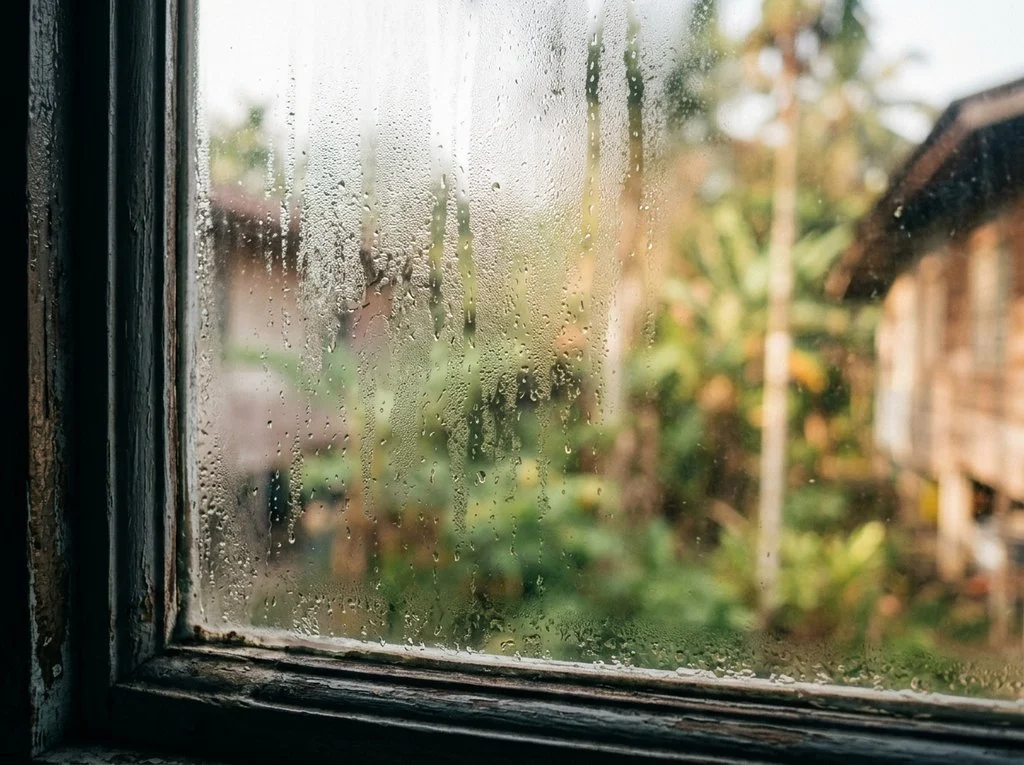
Kuala Lumpur and Selangor sit at a relative humidity that typically runs 80–88%, according to Malaysian Meteorological Department (MetMalaysia) data. That matters more than it sounds like it should, because airborne construction dust in a humid environment doesn’t stay loose and powdery the way it might in a drier climate — it picks up ambient moisture and settles onto surfaces as a thin, slightly tacky film. That’s a large part of why a quick dry sweep or a single wipe-down often looks fine for a day or two, then the surface feels dusty again: dry-wiping fine particulate just moves it around rather than lifting it off, and residual damp dust in cracks and grooves keeps re-settling onto cleaned surfaces.
The same humidity creates a second, separate risk: sealed wall cavities, false ceiling voids, and areas around new plastering can trap moisture during and after renovation work. Indoor humidity above roughly 60% is the threshold the U.S. Environmental Protection Agency (EPA) associates with a meaningfully higher risk of mould growth — a level Malaysia’s ambient humidity clears on an ordinary day, let alone in a freshly plastered or newly painted space where materials are still drying out. This is one reason post-renovation cleaning in this climate benefits from proper ventilation and moisture control, not just surface wiping.
Is Post-Renovation Dust Actually Dangerous? Silica Dust, VOCs & Formaldehyde, Explained

This section is worth reading properly rather than skimming, because the honest answer is “it depends on the exposure,” not “yes, be alarmed.”
Silica dust. Cutting, grinding, or hacking tiles, concrete, or cement-based materials generates fine crystalline silica dust. The U.S. Occupational Safety and Health Administration (OSHA) states plainly that breathing in very small, respirable crystalline silica particles “causes multiple diseases, including silicosis, an incurable lung disease,” and that crystalline silica is rated “Carcinogenic to humans (Group 1)” by the International Agency for Research on Cancer, and “Known to be a human carcinogen” by the U.S. National Toxicology Program — see OSHA’s silica health effects page. The important context, though: silicosis itself typically develops “after 15–20 years of occupational exposure” — that’s the chronic, career-long exposure faced by construction workers doing this work daily, not a homeowner’s one-off renovation. The practical lesson for a household isn’t “panic,” it’s “don’t dry-sweep fine construction dust with no protection, and don’t let small children or pets crawl through un-vacuumed dust in the days right after cutting or hacking work” — genuinely useful caution, not a health scare.
VOCs and formaldehyde. Fresh paint, adhesives, and new laminate or pressed-wood furnishings release volatile organic compounds as they cure — a process called off-gassing. The U.S. EPA notes that during activities like paint stripping, indoor VOC levels can spike to roughly 1,000 times outdoor background levels, and that “elevated concentrations can persist in the air long after the activity is completed.” For formaldehyde specifically — commonly off-gassed from pressed-wood cabinetry, laminate flooring, and some adhesives — EPA’s own indoor air exposure assessment describes peak concentrations shortly after installation, with levels dropping “progressively and significantly” over the following months, “especially within the first two to four months” — though a much smaller amount continues off-gassing for a year or more after that (pressed-wood products have an estimated formaldehyde emissions half-life of roughly 1.5–2 years).
What this means practically: the first few weeks after painting and installing new fittings are when indoor air quality is genuinely at its most compromised, which is exactly the window where ventilation, a proper dust-focused clean, and some caution around children, pets, and anyone with asthma or respiratory sensitivity earns its keep.
How Long Should You Wait Before Cleaning — and Before Moving In?
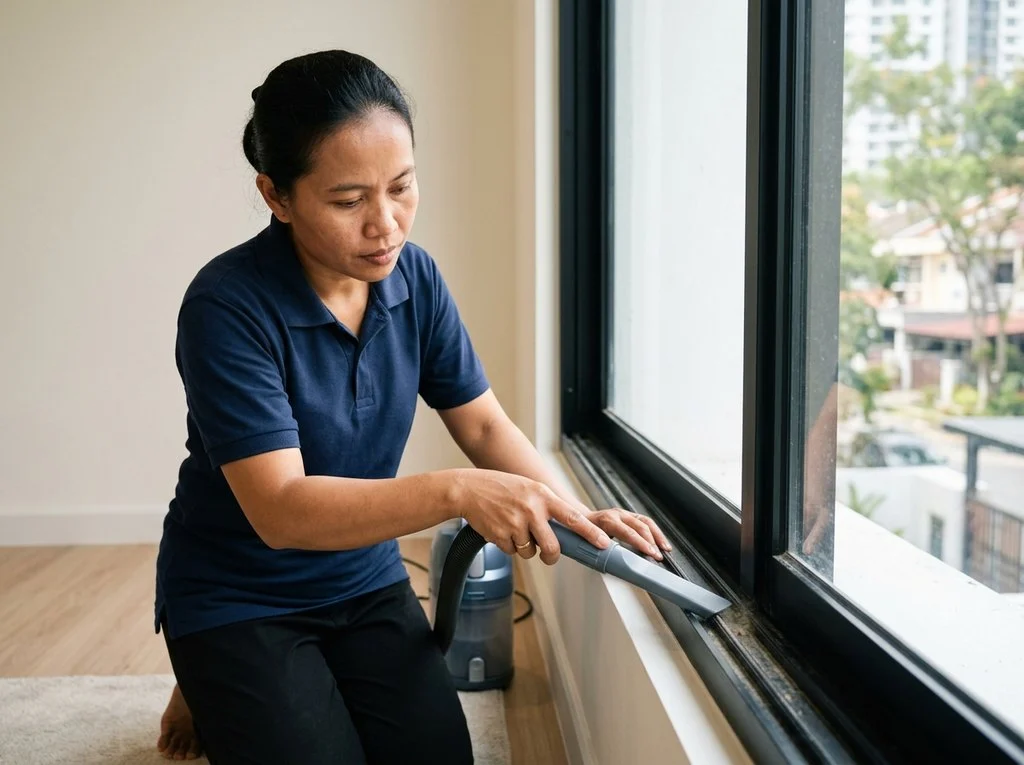
There’s no single official “safe on day X” rule — no Malaysian or international body publishes one specific number for every renovation. What follows is a practical, reasoned approach based on how the dust and VOC behavior described above actually plays out, not a clinical guideline.
| Timeframe | What’s happening | What to do |
|---|---|---|
| Day 1–2 after work finishes | VOC and dust levels are typically at their highest | Ventilate aggressively — open windows, run exhaust fans, avoid closing up the unit |
| Day 3–5 | Fine dust has mostly settled onto surfaces rather than staying airborne | HEPA-filter vacuuming of floors, tracks, and vents; avoid dry-sweeping, which re-aerosolises fine particles |
| Day 5–7 | Surfaces still carry residual dust film and cement/paint residue | Full wet-wipe and mop of all surfaces, cabinet interiors, and fixtures — this is typically where a dedicated post-renovation clean happens |
| Day 7–14 | VOC levels are declining but not at baseline; residual dust can still resettle | A second light clean of frequently-touched surfaces is worth it for larger renovations; this is a reasonable window for most households to move back in, ventilation permitting |
For most homes, moving back in around 7–14 days after both the renovation and a proper post-renovation clean are complete is a sensible, conservative target — sooner for a light touch-up (repainting one room), longer for a full gut renovation involving extensive tiling, hacking, or built-in carpentry. Households with a baby, a pregnant occupant, someone with asthma, or pets may reasonably want to lean toward the longer end of that range, given the dust and VOC facts above.
The Spots Most People Miss After Renovation
Even a careful DIY clean tends to miss the same handful of spots, because they’re the places dust settles into rather than onto:
- False ceiling tracks and cornices — fine dust collects in the grooves and drops onto “clean” surfaces below for days afterward
- Aircond vents and fan coil units — sawdust and cement dust pulled into the unit reduces airflow and can circulate particulate when the unit is switched back on
- Cabinet and wardrobe interiors — dust gets in before doors are properly sealed and installed
- Window frame grooves and tracks — a classic collection point for both dust and moisture
- Tile grout lines — cement haze bonds into unsealed grout if it isn’t cleaned before it fully cures
- Switch plates and socket covers — often skipped entirely in a rushed DIY clean
- Behind and under built-in furniture — inaccessible without moving pieces that were only just installed
- Exhaust fan grilles — collect a visible layer of fine dust that’s easy to overlook from ground level
A proper post-renovation clean should explicitly cover this list — it’s a reasonable question to ask any provider before booking.
DIY vs Professional Post-Renovation Cleaning: Is It Worth Hiring Someone?
Both sides of this are genuine, not a foregone conclusion in either direction.
The case for DIY: it’s free, and for a small, light renovation (one repainted room, new light fixtures) a determined weekend of ventilating, HEPA-vacuuming, and wet-wiping can realistically get a space liveable. If you already own a HEPA vacuum and are comfortable with the physical work, there’s no strict need to hire anyone for a minor job — and if the work was really more of a touch-up than a renovation, a standard deep cleaning session may cover it without needing a dedicated post-renovation booking at all.
The case for hiring a professional: larger renovations generate a genuinely large volume of fine dust across every surface, including places most households don’t think to check (see the list above), and doing it properly is physically demanding — hours of scraping dried cement and paint splatter, on top of the exposure considerations covered in the health section. Professional crews also carry equipment (industrial-grade vacuums, proper degreasers for cement and paint residue) that most households don’t have on hand. As one point of market context: some KL/Selangor providers, Top Clean & Clear included, operate on a pay-after-service model with no advance payment and no lock-in contract, which lowers the risk of trying a professional clean for a one-off job rather than committing to anything ongoing.
The honest decision factor is really about scale and time: a single repainted room is a reasonable DIY weekend; a full renovation involving hacking, tiling, or extensive carpentry is a much bigger job than it looks from the “just needs a wipe-down” framing most people start with.
What to Prepare Before the Cleaning Crew Arrives
A few things make a post-renovation cleaning booking go smoothly, whichever provider you use:
- Clear bulky construction debris first. Most cleaning services, including post-renovation specialists, don’t haul away leftover tiles, wood offcuts, or renovation waste — that’s typically a separate disposal arrangement with the contractor.
- Confirm water and electricity are connected and working at the property, since the cleaning team will need both.
- Walk through the scope in advance — which rooms, whether built-in furniture interiors are included, and whether any area has hazardous residue (old paint, adhesive with strong fumes) worth flagging ahead of time.
- Clear away valuables or fragile items from surfaces that will be wiped down or vacuumed near.
Getting these sorted before the crew arrives avoids the awkward, time-wasting scenario of a team turning up to a unit that still has construction debris blocking access to half the rooms. If the renovation was ahead of moving into a new place rather than refreshing one you already live in, it’s also worth knowing that move-in/move-out cleaning is typically a separate booking from post-renovation cleaning, since it covers a different scope (previous occupant’s residue, not construction dust).
Frequently Asked Questions
How long after renovation is it safe to move in?
There’s no single official rule, but a practical, conservative target for most homes is 7–14 days after both the renovation and a proper post-renovation clean are finished — sooner for a light touch-up, longer for a full renovation involving hacking, tiling, or extensive carpentry. See the timing section above for the reasoning.
Is post-renovation dust dangerous for babies or pets?
Fine construction dust and elevated VOC/formaldehyde levels are both genuinely highest in the days and weeks right after renovation work, per EPA and OSHA data cited above. It isn’t the same chronic occupational risk construction workers face, but it’s reasonable to keep babies, pregnant occupants, and pets away from un-vacuumed dust and freshly painted rooms until ventilation and a proper clean have had time to work — roughly the first one to two weeks.
Does regular cleaning count as post-renovation cleaning?
No. Regular or deep cleaning uses general-purpose tools aimed at everyday dust and grime; post-renovation cleaning specifically targets cement film, paint splatter, and fine construction dust in places a standard clean doesn’t cover, like window tracks, aircond vents, and cabinet interiors. See the comparison above.
How much does post-renovation cleaning cost in KL/Selangor?
Rates depend on the renovation’s scope and how much dust and residue it left behind. As one real example, Top Clean & Clear quotes post-renovation cleaning from RM1 per square foot, confirmed after reviewing the property’s condition — there’s no universal flat rate across providers since a lightly-touched-up room and a full gut renovation aren’t comparable jobs.
Do I need to provide water and electricity for the cleaning crew?
Yes, generally. Cleaning teams need a working water supply and electricity connection at the property to do the job properly — it’s worth confirming both are connected before the booking date, especially for a newly renovated unit where utilities may only just have been reconnected.
How long do paint/VOC smells last after renovation?
VOC levels spike sharply during and immediately after activities like painting, then decline — but not instantly. EPA’s own assessment describes formaldehyde specifically (from pressed-wood cabinetry and laminate) dropping “progressively and significantly” over the following months, with the steepest decline in the first two to four months, though small residual off-gassing continues well beyond that. Good ventilation meaningfully speeds up how quickly this feels noticeable indoors.
What’s not included in a typical post-renovation cleaning quote?
Commonly excluded: hauling away bulky renovation debris (leftover tiles, wood offcuts, packaging), HVAC/aircond servicing beyond wiping accessible vent covers, and furniture or upholstery cleaning, which is usually its own separate service. Always confirm scope against a checklist like the missed-spots list above before booking.
Can post-renovation cleaning remove leftover cement or paint splatter?
Yes — this is one of the specific things post-renovation cleaning is built to handle that a regular clean isn’t. Dried cement haze on tiles and grout, and paint or adhesive splatter on surfaces and fixtures, need scraping and stronger degreasing than a standard mop-and-spray session, which is exactly why post-renovation cleaning is priced and scoped as its own service rather than an add-on to a regular booking.
In Short
Post-renovation cleaning is a genuinely different job from a regular clean — the dust, cement residue, and paint splatter it deals with need different tools, and Malaysia’s humidity makes surface dust stickier and slower to fully clear than it would be in a drier climate. Budget from roughly RM1 per square foot depending on scope, expect a proper quote only after the provider sees the property’s condition, and treat 7–14 days as a sensible (not rigid) window before moving back in, leaning longer for bigger renovations or if young children, pregnant occupants, or pets are involved. If you want to see exactly what a real local post-renovation cleaning service covers, Top Clean & Clear’s post-renovation cleaning page lays out the full scope, pricing model, and booking process.